
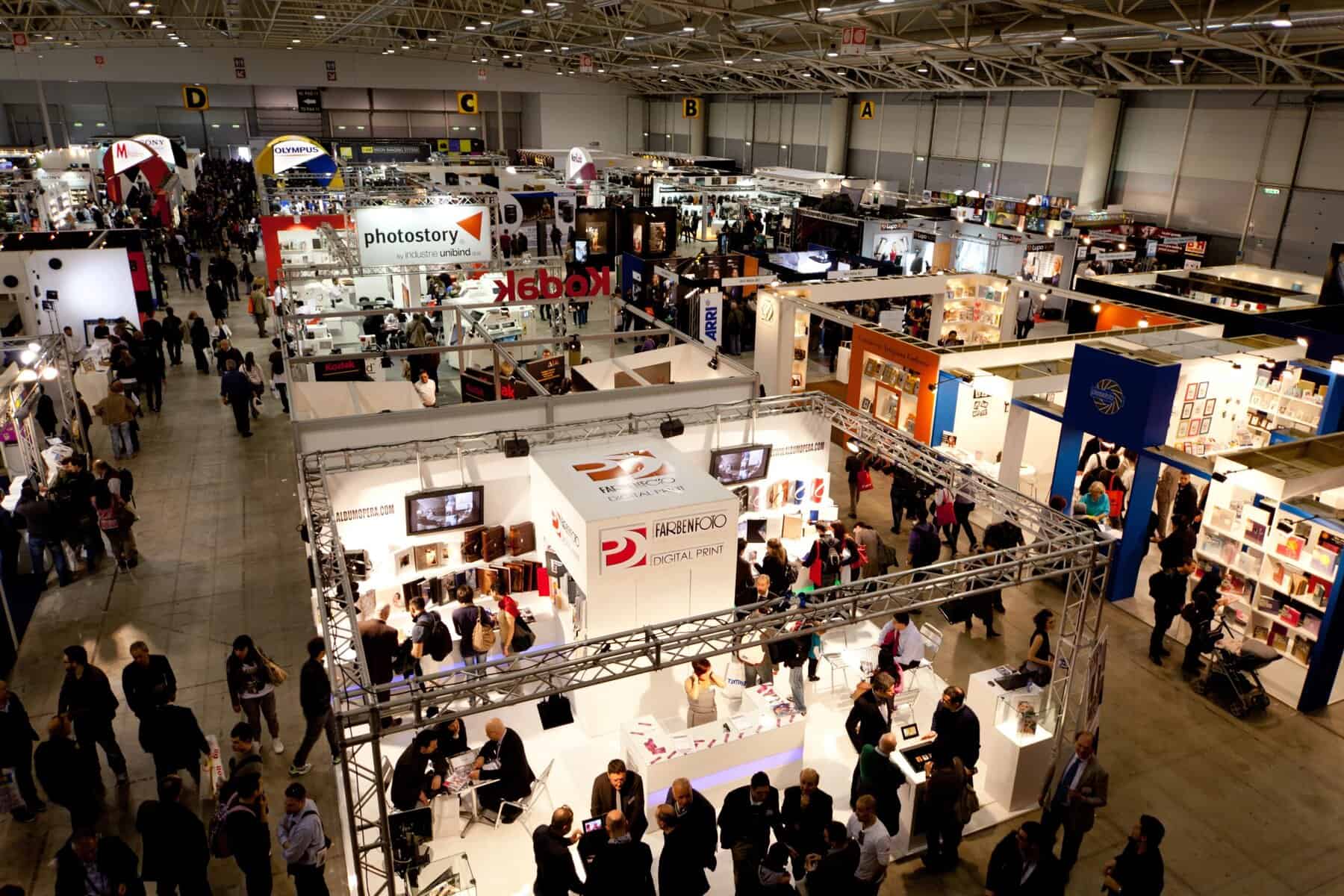
It’s tempting to think digital channels have taken over everything, from customer engagement to sales. Yet step inside a buzzing exhibition hall and you’ll quickly realise face-to-face marketing isn’t going anywhere. The physical handshake, the eye contact, the spontaneous conversation – those things still carry weight in a way no email sequence can replicate.
Exhibitions remain powerful because they combine human connection with business opportunity, creating environments where deals are sparked and trust is built. For companies in competitive markets, they’re not just “nice to have”, they’re central to brand visibility and growth. So, why do exhibitions continue to matter in today’s digital-first world? Let’s dive into it.
Human Connection in a Digital World
In an age where much of communication happens through screens, the value of human connection has only grown. Think about the last time you joined a video call – efficient, sure, but did it leave a lasting impression? Exhibitions thrive precisely because they restore what’s missing from digital: immediacy, warmth, and genuine engagement.
A conversation at a stand is unfiltered and real, with body language and tone adding nuance that emails can’t capture. Beyond conversations, there’s the sensory aspect: seeing a product in action, feeling its texture, or watching a live demo unfold. These experiences cut through the digital noise and make brands memorable.
Exhibitions aren’t about replacing digital; they complement it, grounding online interactions in human moments. That’s why forward-thinking businesses keep investing in them. They understand that when people meet face-to-face, trust builds faster and partnerships form stronger roots.
Why Exhibitions Drive Business Growth
Exhibitions aren’t just networking parties; they’re strategic growth engines. A well-designed stand draws in potential clients, while a sharp team converts curiosity into conversations and, eventually, into contracts.
Unlike digital campaigns where algorithms control visibility, here you’re putting your brand directly in front of decision-makers who’ve come ready to discover. The return on investment is tangible: lead generation, sales opportunities, and lasting brand recognition. Exhibitions also offer something rare – the chance to gather live feedback. Watching how attendees react to a pitch or product provides insights no analytics dashboard can deliver.
For meetings industry exhibitors, the stakes are especially high. This sector thrives on connections, and exhibitions provide the stage for building relationships that power future events. At their core, exhibitions accelerate growth by putting businesses in the right place at the right time, with the right audience – and that’s hard to replicate elsewhere.
Exhibitions as Brand Builders
Marketing isn’t just about selling products; it’s about telling stories and shaping perceptions. Exhibitions give brands the perfect stage to do just that. Walking through a hall, you can almost feel which companies have nailed it: their stands aren’t just spaces, they’re experiences. Lighting, design, and interactivity all send subtle cues about who they are and what they stand for.
For companies focused on attracting talent as well as clients, exhibitions also play a role in showcasing culture and values. That’s where tools like an employer branding guide come in handy – ensuring the message extends beyond customers to potential hires.
People remember brands that make them feel something, whether it’s curiosity, trust, or inspiration. Exhibitions create that opportunity in spades, giving companies control over the narrative in a live, immersive setting. Done right, they don’t just sell; they leave an impression that lingers long after the event ends.
Blending Physical and Digital
The most effective exhibitions today don’t choose between digital and physical – they blend the two. QR codes, interactive screens, and social media tie-ins extend the reach of face-to-face encounters, creating a hybrid experience that continues long after the doors close.
Digital platforms also help businesses maximise their time on-site. Pre-scheduled meetings, virtual product previews, and targeted campaigns ensure exhibitors connect with the right people at the right time. But once attendees are there, the focus shifts back to the personal. A handshake seals trust faster than a click ever could. The digital elements act as amplifiers, helping capture data, track interest, and keep conversations alive post-event.
Exhibitions that combine the immediacy of in-person with the efficiency of digital aren’t just surviving – they’re thriving. This hybrid future shows that the two worlds aren’t competitors. Instead, they’re partners in creating richer, more impactful marketing strategies.
The Future Outlook
Looking ahead, exhibitions are likely to evolve but not disappear. Sustainability will play a bigger role, with stands designed for reuse and travel impact under scrutiny. Technology will continue to enhance the experience, from AI-driven matchmaking apps to immersive virtual reality demos.
Yet, at their heart, exhibitions will still rely on something timeless: people meeting people. That’s the element technology can’t replicate. Businesses that see exhibitions as dynamic ecosystems – part sales channel, part branding opportunity, part innovation showcase – will reap the rewards. The focus will shift towards quality over quantity, with curated events that bring together the right mix of participants.
For organisations wondering if exhibitions still matter in a digital-first marketing landscape, the answer is clear: yes, and arguably more than ever. Because when digital fatigue sets in, face-to-face moments feel even more valuable. That’s the future: not either/or, but both working together.
Summary
Exhibitions have stood the test of time because they deliver what digital alone can’t: authentic connection, live experiences, and lasting impressions. They’re powerful tools for business growth, whether you’re generating leads, building a brand, or deepening partnerships.
With strategies that blend physical presence and digital amplification, exhibitions are evolving to stay relevant and effective. From the energy of packed halls to the subtle impact of one conversation, they remind us that marketing is ultimately about people. In a digital age filled with noise, face-to-face encounters cut through – proving that exhibitions still matter, and always will.