
A Collision of Streetwear Icons
The world of streetwear is no longer just a subculture—it’s a global force. Spider Hoodie and Eric Emanuel stand as two of the most iconic fashion movements defining the pulse of contemporary youth. Their rise to prominence is far from coincidental. Behind every drop, design, and silhouette lies a meticulous fusion of cultural awareness, branding precision, and emotional resonance with the modern consumer.
Spider Hoodie: The Venom of Urban Luxury
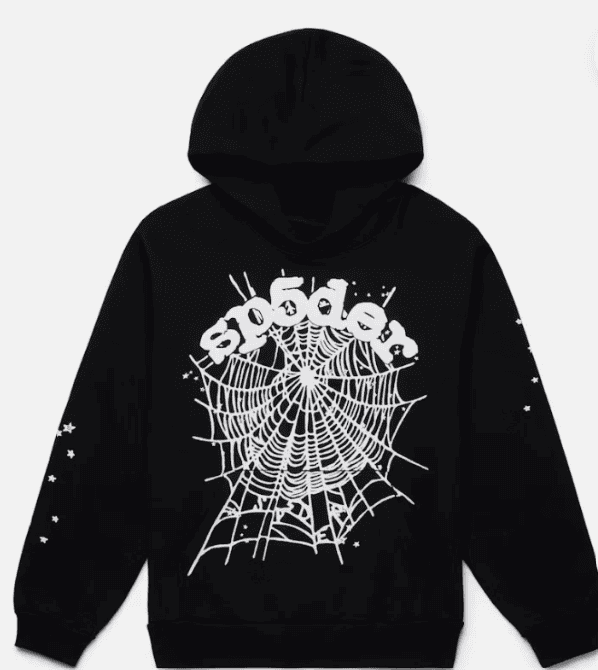
The Spider Hoodie isn’t just apparel—it’s a statement. With roots in trap music, street culture, and high fashion, this brand has turned an eight-legged creature into a symbol of grit, duality, and digital-age aesthetics. Popularized by artists like Young Thug through his Sp5der brand, the hoodie embodies raw rebellion mixed with refined taste.
Bold Aesthetics Meet Quality Craftsmanship
Every Spider Hoodie is defined by:
- Oversized silhouettes that evoke modern streetwear trends
- Web motifs and vivid graphics that command attention
- High-quality materials that rival luxury brands
These aren’t garments meant to blend in. They’re crafted to dominate the streetwear narrative with symbolic power and visual intensity.
Celebrity Influence and Hype Culture
From Lil Uzi Vert to Gunna, the Spider Hoodie has earned a loyal celebrity following. Their visibility across Instagram, TikTok, and music videos turns each drop into a digital spectacle, with limited releases feeding into the scarcity-driven hype cycle.
Eric Emanuel: The Artisan of Athletic Streetwear
From Shorts to Staples: The EE Journey
Eric Emanuel built an empire starting with a single item: mesh basketball shorts. But these weren’t ordinary gym wear—they were vivid, logo-driven, and crafted to transition from courts to clubs. EE’s rise wasn’t overnight, but his brand’s DNA—nostalgia, sports culture, and clean design—resonated powerfully.
Luxury Athleticism: Blending Sport with Style
Eric Emanuel’s genius lies in turning the mundane into must-have:
- Bold colorways inspired by high school uniforms and classic NBA palettes
- Custom collaborations with brands like Adidas, Reebok, and McDonald’s
- Hyper-local storytelling through city-themed drops
These elements make EE not just fashionable, but collectible—his pieces evoke a sense of time, place, and identity that wearers crave.
Shared Traits Behind the Success
1. Scarcity as Strategy
Both Spider Hoodie and Eric Emanuel deploy limited drops as a core tactic. By creating urgency and exclusivity, they:
- Drive instant sellouts
- Cultivate a resale economy
- Build brand prestige without traditional luxury price points
2. Social Media as a Runway
Neither brand relies on conventional advertising. Instead, they weaponize Instagram, TikTok, and user-generated content:
- Fan posts serve as organic promotion
- Influencer placements amplify reach
- Drop announcements become events with countdowns and teasers
This digital-first model ensures immediate global impact at minimal cost.
3. Cultural Integration
Sp5der Hoodie leans into rap culture, street symbolism, and dark surrealism, while embraces American sports nostalgia and Gen Z aesthetics. Despite their differences, both brands:
- Speak the language of youth
- Reflect emerging identities
- Celebrate individual expression
They aren’t just selling clothes—they’re offering cultural alignment.
Product Design Philosophy: More Than Visuals
Spider Hoodie: Symbolic Complexity
The spider motif is no accident. It represents:
- Duality – beauty and fear, art and aggression
- Resilience – the spider survives, adapts, conquers
- Connectivity – the web, both literal and digital, binding subcultures together
Every thread carries intentional depth, appealing to those who crave meaning in their wardrobe.
Eric Emanuel: Functional Luxury
While the designs feel effortless, the craftsmanship is exacting. From premium mesh fabrics to reinforced stitching, EE products are made to last and flex, both physically and stylistically.
His drops often feel like memory capsules—each piece tells a story, linking wearers to a team, a season, or a city.
Market Domination Through Brand Architecture
Strategic Collaborations That Matter
- Spider Hoodie thrives on co-signs from rappers, music collectives, and edgy street photographers
- Eric Emanuel leverages sports brands and corporate collabs (like EE x McDonald’s) to blend pop culture with street heritage
These alliances don’t just boost sales—they legitimize their brands in multiple cultural spaces.
Unmatched Customer Loyalty
Both brands have cultivated fanatic communities that:
- Line up online and IRL
- Showcase their fits daily
- Engage deeply with brand lore
That level of connection isn’t accidental—it’s brand engineering at its finest.
Global Recognition and Longevity
Streetwear as New Status
Today’s youth don’t chase logos—they chase stories, moods, and movements. Spider Hoodie and Eric Emanuel succeed because they offer:
- A lifestyle, not just a look
- A message, not just a material
- A mood, not just merchandise
They’ve transcended “trendy” to become touchstones of identity.
International Appeal
From New York to Tokyo, fans line up for their drops. The secret? Universal themes:
- Spider Hoodie taps into global urban tension and transformation
- Eric Emanuel evokes athletic ambition and the joy of winning with style
Conclusion: Icons of Intentional Success
The success of Spider Hoodie and Eric Emanuel isn’t accidental—it’s the result of visionary design, cultural fluency, and uncompromising brand discipline. They’ve rewritten the rules of streetwear by turning symbols into staples and community into currency.
Their blueprint offers a masterclass in modern branding. And as the streetwear landscape evolves, these two forces will continue to define what it means to wear power, presence, and purpose on your chest.