
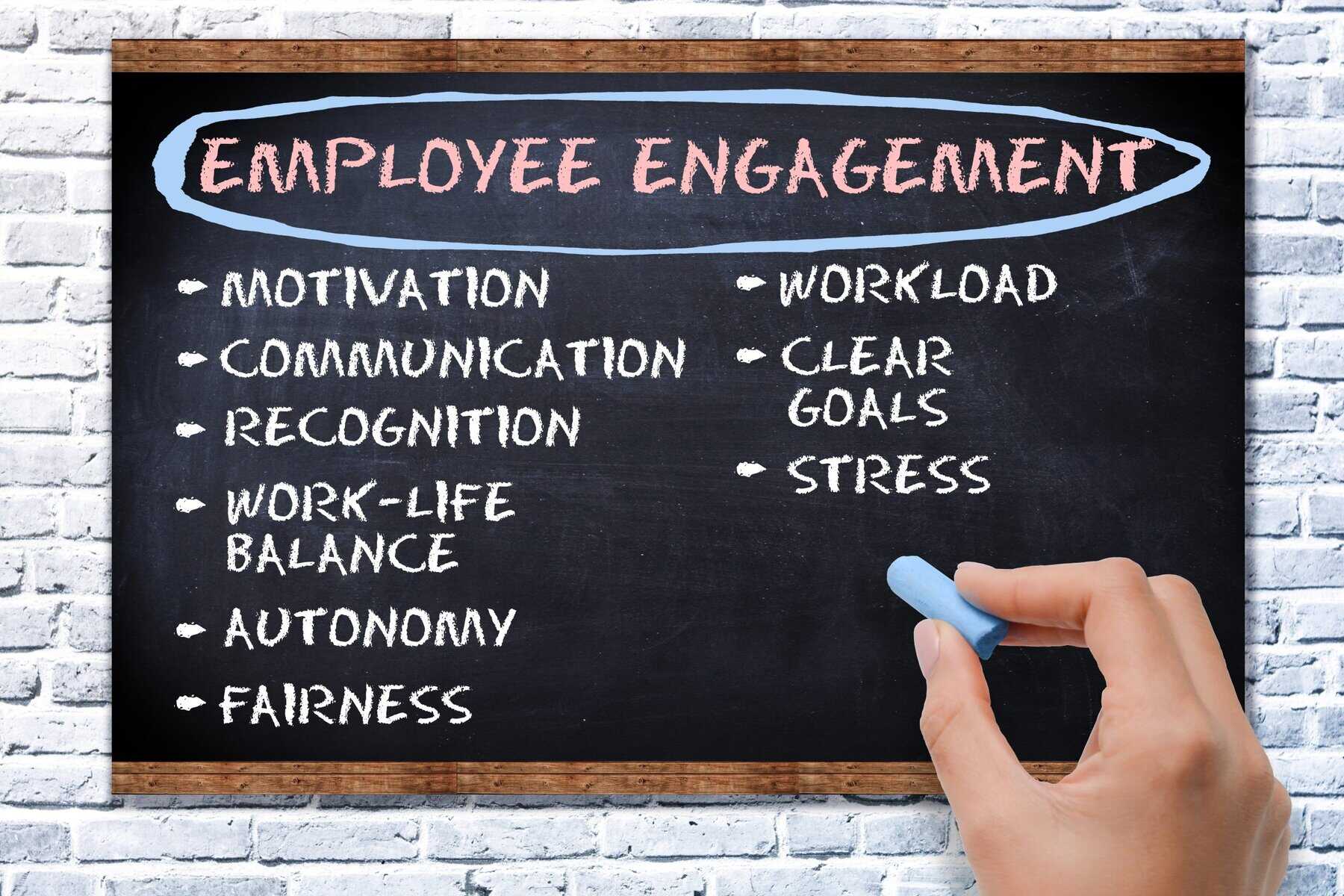
As workplaces evolve, the importance of employee engagement has reached unprecedented levels. Companies are beginning to recognise that an engaged workforce is not merely a nice-to-have but a crucial component for sustainability and growth. Employee engagement encompasses how employees feel about their work, their motivation levels, and their alignment with the company’s values. Yet, in an increasingly hybrid world, traditional approaches to engagement are falling short. So, how are organisations reshaping their strategies to foster a more engaged workforce?
Understanding the Shifts in Employee Engagement
Traditionally, employee engagement was often assessed through annual surveys and feedback mechanisms that provided insights into employee satisfaction and loyalty. However, these methods largely focused on surface-level metrics that failed to capture the full picture. Seeking deeper insight, companies are now embracing a more holistic understanding of employee well-being. This includes mental health, work-life balance, and the significance of inclusive workplace cultures.
The shift toward a more engaged workforce requires companies to take a multipronged approach. Research indicates that organisations with high engagement levels see a reduction in turnover rates and an increase in productivity. Consequently, modern companies are looking for innovative ways to enhance employee engagement.
The Role of Transparency and Communication
Effective communication has emerged as a cornerstone of effective employee engagement strategies. In an era where remote work is commonplace, fostering open dialogue between management and staff is pivotal. Regular check-ins, candid conversations, and the use of collaborative platforms are essential for maintaining engagement.
Moreover, transparency in decision-making can help employees feel valued and heard. When employees understand the ‘why’ behind company decisions, they are more likely to feel invested in the outcomes. For this reason, many organisations are adopting a flatter hierarchy, encouraging employees at all levels to contribute ideas and insights. This leads to a sense of ownership among employees, making them more engaged.
Scarlettabbott, a leading employee engagement consultancy, highlights the need for meaningful communication as a pathway to improved workplace culture. They advocate for a strategic approach that incorporates both technology and human touch in creating an open dialogue. By leveraging these insights, companies can adapt more adeptly to the diverse needs of their workforce, ensuring that engagement strategies are not merely checkboxes but rather integral components of the company’s culture.
Embracing Flexibility and Well-Being
In today’s fast-paced environment, flexibility has become synonymous with engagement. Companies are increasingly recognising that rigid structures can stifle creativity and morale. As a result, many organisations are embracing flexible work models. This might include options for remote work, flexible hours, or hybrid arrangements that allow employees to choose how they engage with their roles.
Furthermore, prioritising employee well-being has also emerged as a key factor in engagement. Programmes focusing on mental health, physical fitness, and work-life balance are gaining popularity. Initiatives like wellness days, mindfulness training, and access to mental health resources are becoming standard offerings rather than exceptions.
A study conducted by the Harvard Business Review showed that organisations that invest in employee well-being experience a significant boost in engagement metrics. The rationale is simple: when employees feel supported holistically, they are more likely to perform at their best.
Leveraging Technology for Engagement
Technology is a double-edged sword; while it can create distractions, it also offers innovative solutions for engagement. Companies are increasingly employing tools that facilitate engagement, from employee recognition platforms to collaborative applications.
For instance, gamification is becoming a popular strategy to enhance engagement. By integrating game-like elements into everyday tasks, organisations can motivate employees to participate more actively in their roles. This not only fosters a sense of community but also adds an element of enjoyment to the work environment.
Additionally, data analytics can be invaluable in assessing engagement levels. By using metrics to track employee performance and satisfaction, businesses can identify trends and areas needing improvement. These insights can inform leaders on how best to support their teams, enabling proactive efforts rather than reactive measures.
Building a Culture of Recognition
Another critical aspect of modern engagement strategies is the culture of recognition. Historically, recognition was reserved for high-achieving employees, often based on performance. However, the paradigm is shifting. Companies are now recognising the importance of celebrating all contributions, creating a sense of belonging across the board.
This culture can be cultivated through various means: shout-outs in team meetings, peer recognition platforms, or even simple thank-you notes. When employees feel appreciated, it enhances their connection to the company and motivates them to strive for excellence.
According to research from Gallup, regular recognition can lead to a 14% increase in performance. The collective impact of recognising employees can foster an engaged workforce that feels valued and motivated.
Conclusion
As we move beyond traditional structures and mindsets, employee engagement requires a comprehensive and nuanced approach. Modern companies are beginning to understand that engagement is not just a peripheral issue but a core business strategy. By embracing flexibility, prioritising well-being, nurturing open communication, leveraging technology, and building cultures of recognition, organisations can foster an environment where employees thrive.
An engaged workforce is not only beneficial for productivity and retention rates; it also enhances a company’s reputation in the marketplace. As the conversation around employee engagement continues to evolve, it’s clear that organisations willing to rethink their strategies will reap the rewards in a fiercely competitive landscape. In the quest for sustainable growth, engagement is the gift that keeps on giving.