
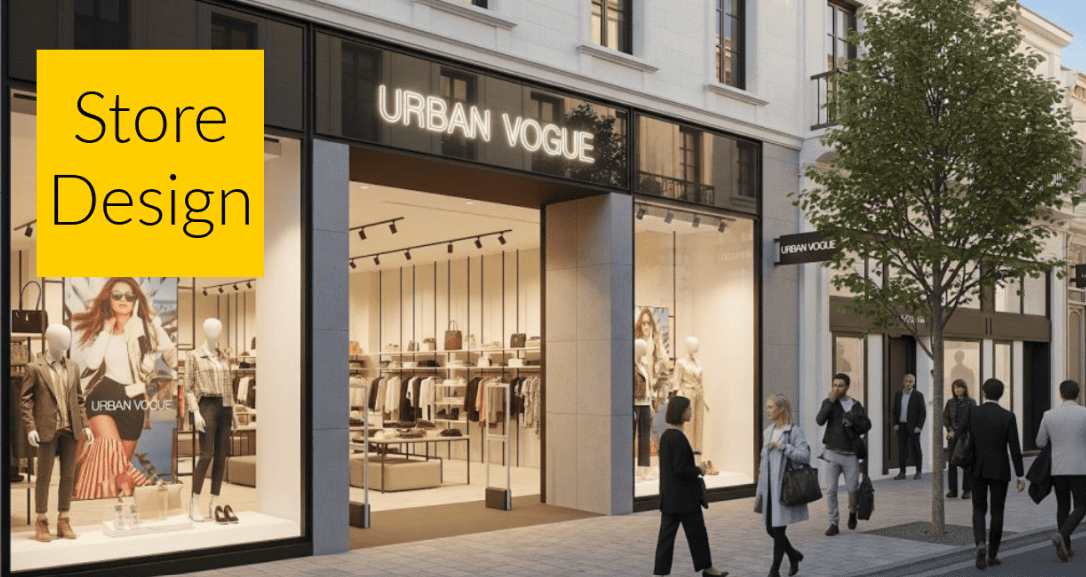
A retail transaction doesn’t begin at the counter. It starts the moment a potential customer glances at your store from across the street. That critical space between the public pavement and your interior is a stage for a silent, powerful dialogue. Your entrance strategy can either build a bridge or create a barrier. By thoughtfully designing this transitional zone, you can captivate interest, communicate your brand’s essence, and dramatically increase the likelihood of a person crossing your threshold.
The Power of Transparency
Barricading your store behind opaque walls or cluttered posters is a missed opportunity. Modern retail thrives on visual connection and an invitation to explore. A clean, well-maintained glazed shopfront acts as a living display case, offering a curated glimpse into your world. It reduces the psychological barrier to entry, making the interior feel accessible and welcoming. Passersby become audiences to an unfolding scene, allowing your products and atmosphere to sell themselves before a door has even been touched.
Crafting a Compelling Threshold
The area immediately outside your door is prime real estate. This isn’t merely a place for a doormat; it’s your store’s greeting area. Consider a tasteful A-frame chalkboard with a single, intriguing question or offer. A small bench or a cluster of potted plants can subtly signal that this is a space to pause, not just pass by. These elements slow foot traffic down, encouraging a moment of consideration that often leads to the decision to enter.
Sensory Engagement Beyond Sight
While vision is dominant, other senses are equally persuasive. An effective entrance strategy considers the entire sensory experience. What scent drifts out when the door opens? A signature, subtle fragrance can be incredibly memorable. Is there music? The sound of the right playlist escaping onto the street creates an atmospheric halo around your store. Even the tactile feel of a beautifully designed door handle contributes to a perception of quality and care.
The Psychology of the Doorway
The physical mechanism of entry itself sends a strong message. A heavy, stiff door can feel imposing and unwelcoming. Conversely, a smoothly operating door, whether automatic or perfectly balanced, makes entry feel effortless and inviting. Consider leaving the door propped open during pleasant weather if security and climate allow. An open door is the most fundamental and powerful invitation of all, blurring the line between the street and your store and inviting the outside world in.
Strategic Visual Merchandising
Your window display is your most powerful outdoor salesperson. Resist the urge to cram every product into the frame. Instead, create a story. Use negative space, compelling lighting, and a clear thematic focus to draw the eye. Change displays frequently to give regular passersby a reason to look again. The goal isn’t to show everything you sell, but to create intrigue and convey a specific mood or solution that resonates with your ideal customer’s aspirations.
Navigating the Digital-Physical Handoff
In today’s retail landscape, your physical entrance should acknowledge your digital presence. A simple, well-placed QR code can bridge this gap, offering a passerby immediate access to your menu, a discount code, or your Instagram feed. This allows someone who isn’t ready to enter to still engage with your brand, capturing their interest for a future visit and building your digital audience directly from your physical location.
Ultimately, your store’s entrance is a narrative device. It tells the beginning of your brand’s story. Every element, from the clarity of the glass to the scent in the air, works in concert to either extend an invitation or issue a rejection. By designing this space with the same care as your interior, you transform a simple doorway into a dynamic tool for engagement, turning casual pedestrians into curious visitors, and curious visitors into loyal customers.