
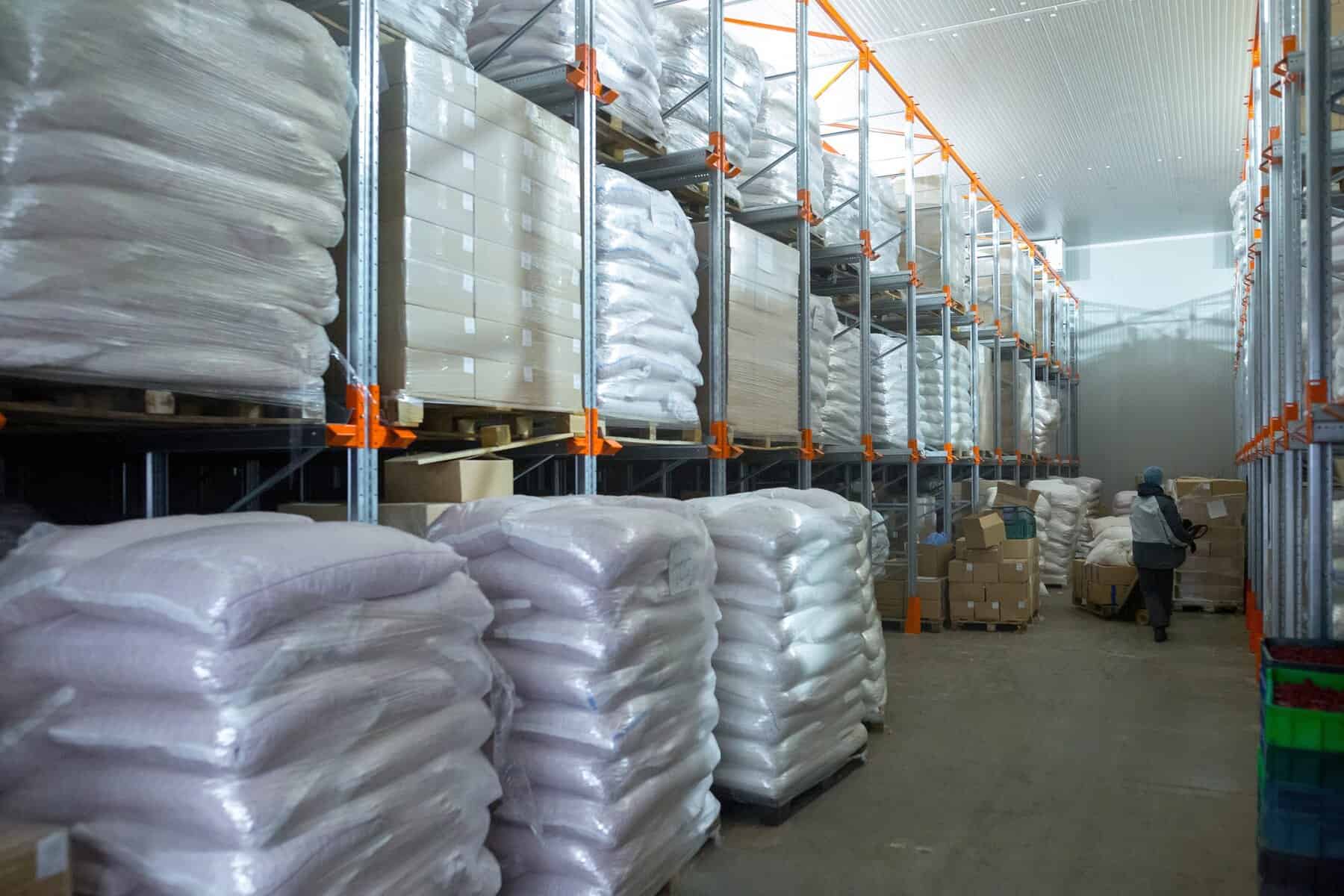
In today’s fast-paced industrial landscape, businesses across various sectors require efficient, cost-effective solutions for transporting and storing bulk materials. Enter Flexible Intermediate Bulk Containers, commonly known as FIBC bags or bulk bags – the unsung heroes of modern logistics and material handling. These innovative storage solutions have revolutionized how industries manage everything from agricultural products to construction materials and chemicals.
What Are FIBC Bags?
FIBC bags, also called bulk bags, big bags, or super sacks, are large, flexible containers designed to store and transport dry, flowable products in bulk quantities. Typically constructed from woven polypropylene fabric, these containers can hold anywhere from 500 to 4,000 pounds of material, making them an ideal solution for businesses looking to streamline their logistics operations.
The basic design consists of a tubular or rectangular bag with lifting loops attached to the top corners, allowing for easy handling with forklifts or cranes. The bottom of the bag features various discharge options, from simple spouts to complex valve systems, depending on the specific application requirements.
Key Characteristics of FIBC Bags
These versatile containers offer several distinctive features that set them apart from traditional packaging solutions:
- Durability: Made from high-strength woven polypropylene, FIBC bags can withstand significant weight and handling stress
- Flexibility: The fabric construction allows the bags to conform to their contents while maintaining structural integrity
- Reusability: Many FIBC bags are designed for multiple uses, providing excellent value over their lifespan
- Customization: Available in various sizes, configurations, and safety ratings to meet specific industry needs
Agricultural Applications: Feeding the World Efficiently
The agricultural sector has embraced FIBC bags as a game-changing solution for handling various farm products and inputs. From grain storage to fertilizer distribution, these containers have become indispensable tools for modern farming operations.
Grain and Seed Storage
Farmers and grain elevators utilize FIBC bags to store and transport wheat, corn, soybeans, and other cereal crops. The breathable fabric construction helps maintain proper moisture levels while protecting contents from contamination. Many agricultural operations prefer FIBC bags over traditional storage methods because they offer:
- Reduced labor costs during loading and unloading
- Better protection against pests and rodents
- Improved inventory management through clear labeling options
- Lower storage space requirements when empty
Fertilizer and Chemical Handling
Agricultural chemicals and fertilizers require special handling considerations, and FIBC bags rise to meet these challenges. Type B and Type C bags provide static electricity protection when handling potentially combustible materials, while specialized liners protect against moisture and contamination.
The convenience of FIBC bags allows farmers to purchase fertilizers in bulk quantities, reducing packaging costs and environmental waste while ensuring they have adequate supplies for their operations.
Construction Industry: Building Success with Bulk Solutions
The construction sector relies heavily on bulk materials, making FIBC bags an essential component of project logistics and material management. From concrete additives to aggregates, these containers streamline construction operations in numerous ways.
Cement and Concrete Additives
Construction projects often require precise quantities of cement, fly ash, silica fume, and other concrete additives. FIBC bags provide an ideal storage and delivery method for these materials, offering several advantages:
- Contamination Prevention: Sealed bags protect materials from moisture and foreign particles
- Accurate Measurement: Pre-measured quantities reduce waste and ensure consistent mixing ratios
- Site Efficiency: Easy handling with construction equipment minimizes labor requirements
- Quality Control: Clear identification and dating help maintain material integrity
Aggregates and Sand
Road construction, landscaping, and building projects consume massive quantities of sand, gravel, and other aggregates. FIBC bags offer a clean, efficient alternative to loose bulk delivery, particularly for projects in urban areas where dust control and site cleanliness are priorities.
The ability to store these materials in weather-resistant containers also reduces project delays caused by adverse conditions, allowing construction teams to maintain productivity regardless of environmental factors.
Chemical Industry: Safety and Efficiency Combined
The chemical industry presents unique challenges for material handling, requiring containers that meet strict safety standards while maintaining operational efficiency. FIBC bags have evolved to address these demanding requirements through specialized designs and safety features.
Static Electricity Control
Chemical processing often involves materials that can generate static electricity, creating potential hazards. The industry utilizes different types of FIBC bags based on the specific risk level:
- Type B Bags: Feature low-breakdown fabrics that prevent dangerous static discharges
- Type C Bags: Include conductive threads that safely dissipate static electricity when properly grounded
- Type D Bags: Use specialized fabrics that safely dissipate static without requiring grounding
Powder and Granular Chemical Storage
Chemical manufacturers and processors use FIBC bags to handle various powder and granular products, from plastic resins to pharmaceutical intermediates. The flexibility of these containers allows for efficient storage of irregularly shaped granules while maintaining product integrity.
Specialized liner options provide additional protection against moisture, oxygen, and other environmental factors that could compromise chemical products during storage and transport.
Environmental and Economic Benefits
Beyond their practical applications, FIBC bags offer significant environmental and economic advantages that align with modern sustainability goals.
Reduced Environmental Impact
Compared to traditional packaging methods, FIBC bags generate less waste per unit of product transported. Their reusable nature further reduces environmental impact, with many bags capable of 5-10 uses before retirement. Additionally, the polypropylene construction makes them recyclable at the end of their service life.
Cost-Effective Operations
The economic benefits of FIBC bags extend throughout the supply chain:
- Lower packaging costs compared to multiple smaller containers
- Reduced labor expenses through mechanized handling
- Improved warehouse efficiency with better space utilization
- Transportation savings through optimized load configurations
Safety Considerations and Best Practices
While FIBC bags offer numerous advantages, proper handling and safety protocols are essential for successful implementation. Understanding load limits, proper lifting techniques, and storage requirements helps prevent accidents and extends bag life.
Regular inspection of lifting loops, fabric condition, and discharge systems ensures continued safe operation. Training personnel on proper handling techniques and safety procedures creates a culture of safety that protects both workers and products.
FAQ Section
What is the typical lifespan of an FIBC bag?
The lifespan of FIBC bags varies depending on usage conditions and safety requirements. Single-use bags are designed for one-time applications, while multi-use bags can typically handle 5-10 cycles when properly maintained and inspected. Factors such as product type, handling methods, and storage conditions all influence bag longevity.
How do I choose the right FIBC bag for my application?
Selecting the appropriate FIBC bag requires considering several factors: the type of material being stored, weight requirements, static electricity risks, and environmental conditions. Consult with manufacturers to determine the correct safety type (A, B, C, or D) and specifications for your specific application.
Can FIBC bags be used for food products?
Yes, food-grade FIBC bags are available for storing and transporting food products. These bags meet strict FDA and food safety standards, featuring clean manufacturing processes and appropriate barrier properties to maintain product quality and safety.
What are the weight limitations for FIBC bags?
FIBC bags typically range from 500 to 4,000 pounds capacity, with 2,000-pound bags being most common. The specific weight limit depends on the bag’s design, fabric strength, and safety factor. Always verify the Safe Working Load (SWL) rating before use.
How should FIBC bags be stored when not in use?
Empty FIBC bags should be stored in a clean, dry environment away from direct sunlight and extreme temperatures. Proper folding and stacking techniques prevent damage to lifting loops and fabric. Avoid storing bags near sharp objects or chemicals that could cause deterioration.
Conclusion: The Future of Bulk Material Handling
FIBC bags represent a perfect convergence of practicality, efficiency, and versatility in modern material handling. Their widespread adoption across agriculture, construction, and chemical industries demonstrates their value in addressing diverse logistical challenges while supporting sustainability goals.
As industries continue to evolve and seek more efficient operational methods, FIBC bags will undoubtedly play an increasingly important role in supply chain optimization. Their ability to reduce costs, improve safety, and minimize environmental impact makes them an essential tool for businesses looking to maintain competitive advantages in today’s market.
The investment in quality FIBC bags pays dividends through improved operational efficiency, reduced handling costs, and enhanced safety performance. For businesses handling bulk materials, these versatile containers offer a proven solution that delivers both immediate benefits and long-term value in an ever-changing industrial landscape.