
Have you ever wondered how much technology has changed your day? We wake up to music playing with a voice command, adjust the temperature in the room from our smartphone, and order groceries from the comfort of our homes. All this has become possible thanks to the rapid development of digital solutions.
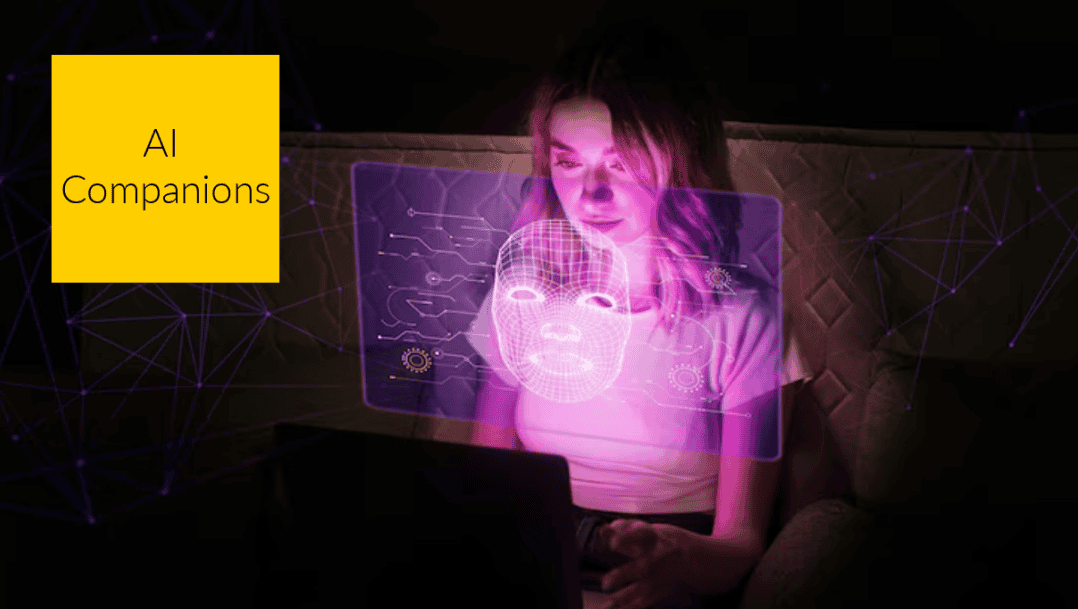
Technologies no longer just complement everyday life – they form new habits, blurring the boundaries between reality and virtual space. Innovation concerns not only convenience, but also how we communicate, work, relax, and even experience emotions. In this article, we will look at how modern technologies are changing everyday life, from smart homes to conversations with virtual interlocutors.
Smart home as a new standard of comfort
Think about coming home and the lights turn themselves on, the house feels pleasant ,and your music is already streaming from the speakers. A smart home is exactly what it sounds like. With smart thermostats, lighting, and security systems connected, your home will save energy and be more convenient. For instance, with a smart thermostat, your heating adjusts according to your actions, giving you comfort and saving you money.
With AI involved, these systems tell the difference between pets roaming and anything suspicious and notify owners only when it matters. Thus, technology makes our home not only smarter but also safer. Besides, you can adjust your lights, heat, and security from a distance with a single tap from your computer or smartphone.
New communication formats: from messengers to AI companions
Communication has become easier, faster, and more diverse. Technology has taken interaction to a new level, offering not only traditional communication methods but also non-standard solutions.
Today, we are actively using:
- messengers for short messages;
- video calls for personal and work meetings;
- voice assistants to ask a question or remind you about a task;
- chatbots that advise and entertain.
Services like chat with an AI girlfriend deserve special attention. These are interactive platforms where users can have conversations with virtual partners. This format is especially popular among those who feel lonely or just want to talk without evaluation.
Advantages:
- emotional support 24/7;
- a safe space for communication;
- personalized responses based on the user’s interests.
AI interlocutors are not a fashion, but part of a new reality of communication.
Digital assistants and task automation
Why waste time on routine when it can be delegated to technology? Voice assistants such as Arri, Alexa, and Google Assistant are becoming indispensable in everyday life. They do not just answer questions – they help you plan your day, control your smart devices, and even remind you when to water your flowers.
For example, you can say, “Okay, Google, set the timer for 10 minutes,” and go about your business. Do I need to make an appointment? Just talk, and it will appear on the calendar.
Smart assistants can:
- read the weather forecast;
- find routes;
- select recipes based on available ingredients;
- turn on music or lights by voice command.
This saves time and reduces the number of forgotten tasks. As a result, you do more with less effort.
Influence on emotional and social habits
Both our ordinary habits and our feelings are changing because of technology. On the positive side, keeping up with information and staying updated can add to our stress and fatigue. Trying to follow the news, complete our jobs, and respond to personal messages can be quite challenging. On a different note, technology brings promising resources to mental health care. You can now find meditation apps intended to help with relaxation, anxiety, and even to track your sleep.
In addition, virtual interlocutors are becoming an important support for many. During periods of loneliness or stress, such AI platforms can offer friendly conversation and emotional support. It helps not to feel isolated and improves your mood. The main thing is to use technology consciously, so that it serves our well-being, and does not create new problems.
Technological dependence and awareness
As technology improves our lives, it is partly because it can be quite addictive. Having constant alerts, being expected to always respond and look at social networks makes people anxious and tired. This pattern brings on emotional exhaustion and makes living more difficult. We are often not aware of how absorbed we are in our gadgets, to the point that we forget to engage with real people.
The best way to stop this from happening is to set personal limits. Spend time away from your smartphone and computer a while before going to sleep. Make use of the do not disturb setting to work on vital things or relax. Stopping our tech usage for a little while helps rebalance our lives and fight stress.
A conscious approach to technology allows you to use their advantages without harm to the psyche. This is the key to a healthy and harmonious lifestyle in the modern world.
Conclusion
Our lives are increasingly affected by technology which is making things easier, more comfortable and more relaxed. Habits and lifestyles are changing as smart homes, digital assistants and virtual interlocutors take a place in our everyday lives.
Yet, it is necessary to make these changes with thought, while considering both technology and our well-being. Once innovations are upgraded, they will become helpful partners for us.