
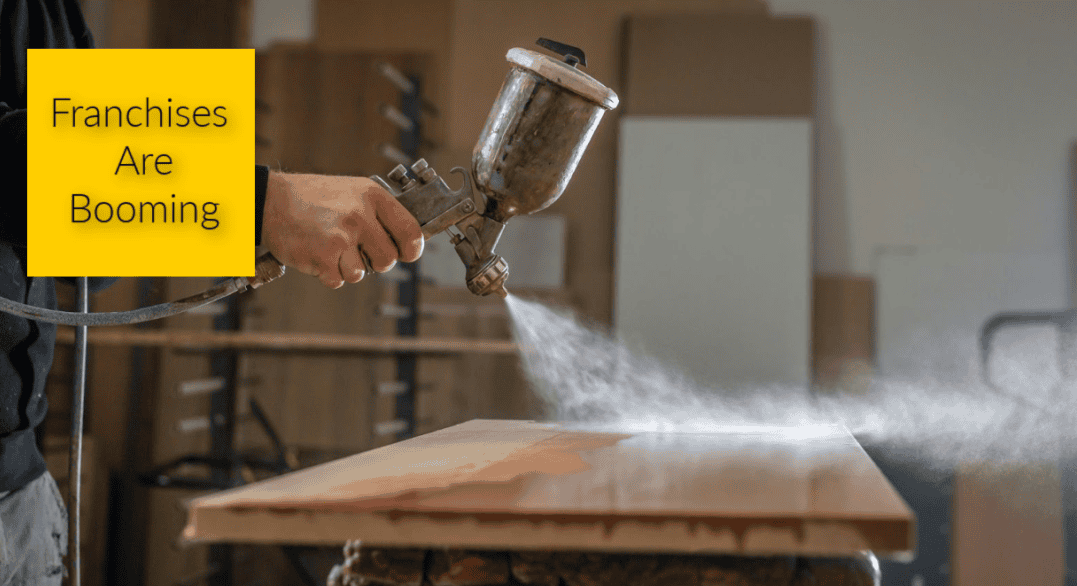
Photo by Simon Kadula on Unsplash
In the wake of economic uncertainty, natural disasters, and major shifts in how people live and work, one corner of the franchise world is seeing serious momentum: service-based businesses.
While some industries are still playing catch-up, service franchises—especially those rooted in restoration, repair, and essential home services—are growing. Fast.
And it’s not just a short-term trend. In a post-disaster economy, people prioritize reliability, fast response times, and practical solutions. That’s exactly what these businesses are built to deliver.
The Rise of Service Franchises
We’ve seen hurricanes, floods, fires, and even freeze events wreak havoc in recent years. The demand for cleanup, repair, and rebuilding doesn’t fade when the news cycle moves on. In fact, according to the National Oceanic and Atmospheric Administration (NOAA), the U.S. experienced 28 separate billion-dollar weather and climate disasters in 2023 alone, setting a record for the most events in a calendar year.
That ongoing need is exactly why restoration and service-based franchises are gaining traction. They offer community resilience, job creation, and real-world value—something both entrepreneurs and customers are drawn to.
What Makes These Franchises So Appealing?
Unlike retail or food franchises, service-based businesses don’t require massive storefronts or high startup costs. Many are mobile, lean, and built to scale quickly. For investors and operators looking to get into a business with steady demand and clear purpose, they check a lot of boxes.
Here’s what makes them stand out:
- Low overhead – Most service franchises don’t require expensive real estate or large staff.
- Essential services – From water damage to electrical repairs, these are needs—not wants.
- Recurring demand – Disasters, wear and tear, and routine maintenance keep business steady.
- Faster ROI – Lower startup costs often mean quicker paths to profitability.
- Community connection – These businesses directly impact local recovery and rebuilding efforts.
For those exploring franchise ownership with long-term demand and lower risk, looking into business models focused on disaster response and home recovery is a smart move—especially in regions hit hardest by extreme weather.
The Emotional Side of Service
There’s also a human side to why these businesses thrive. People need help when they’re at their most stressed—after a flood, fire, or storm has upended their lives. Service franchises meet that need head-on, showing up in moments that truly matter.
This builds trust. And in the long run, trust fuels business. Many of these franchises build long-term relationships with customers, insurance companies, and local governments. That kind of network creates stability that product-based businesses can struggle to match.
Future-Proofing in a Volatile Market
If the past few years have taught entrepreneurs anything, it’s this: flexibility and necessity win. Service franchises are built to move fast, adapt to local needs, and scale up or down as the market shifts.
They also offer a layer of security. No matter what’s happening in the broader economy, pipes will burst. Trees will fall. Mold will grow. Someone needs to fix it—and that someone might just be you.
Final Thoughts
Service-based franchises aren’t flashy—but they’re smart. They solve real problems, offer recession-resistant income, and provide a chance to build something that truly helps people. In the post-disaster economy, that kind of business model isn’t just thriving—it’s leading the way forward.
Whether you’re a first-time franchisee or an investor looking for sustainable growth, it’s worth paying attention to where real demand lives. And right now, it lives in service.