
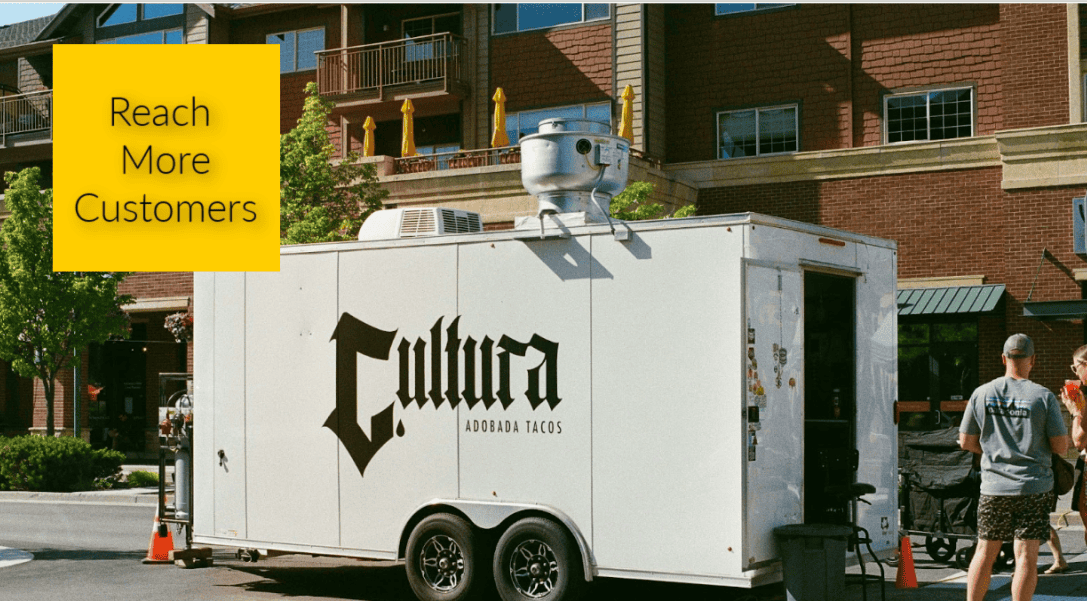
Photo by Kevin Escate on Unsplash
In a world where convenience and mobility rule, businesses are rethinking how they connect with customers—and enclosed trailers are quietly becoming one of the most creative tools in that shift.
From mobile showrooms to pop-up salons, trailers offer a way to bring your product or service directly to your audience, without the overhead of a brick-and-mortar location. They’re flexible, cost-effective, and surprisingly versatile for businesses across industries.
Why Mobility Matters More Than Ever
Post-pandemic consumer habits have changed. People expect services that come to them—whether it’s curbside delivery, mobile pet grooming, or wellness services parked outside their office.
According to a 2023 report from McKinsey, 73% of consumers tried a new shopping behavior since 2020, and most plan to continue prioritizing convenience over traditional retail experiences.
This shift opens the door for businesses to meet customers where they are—and enclosed trailers are one way to do it with style and practicality.
Unexpected but Brilliant Uses for Enclosed Trailers
While trailers were once reserved for transporting gear or equipment, business owners today are transforming them into mobile operations hubs that serve, sell, and promote. Some of the most innovative uses include:
- Mobile boutiques – Fashion brands and thrift curators are setting up shop in fully branded trailers.
- Grooming on the go – Pet services and even mobile barbershops use trailers to offer full-service grooming from anywhere.
- Food and beverage extensions – Not just food trucks—trailers used for mobile espresso bars, cocktail pop-ups, or dessert stations.
- Workshop spaces – Crafters, DIY instructors, and artists are holding classes right out of their trailers.
- Mobile repair units – Tech, bike, and appliance repair services are showing up directly to customers, tools in tow.
- Event and brand activations – Marketers and PR teams use custom trailers for product launches, sampling, and more.
With so many configurations and trailer models available, business owners are looking to resources like this guide to top manufacturers and trailer setups to find the right fit for their concept and budget.
Low Overhead, High Flexibility
One of the biggest perks of using a trailer for business? The cost savings. No long-term leases, no utility bills, and no waiting months for a commercial buildout.
A trailer-based setup also lets you test new markets without committing to permanent real estate. Want to try a new neighborhood or city? Just hitch up and go. This kind of mobility is especially appealing for small business owners who want to grow smart without taking on too much risk.
Branding That Goes Beyond the Logo
Trailers offer huge potential for branding. You’re not just driving a vehicle—you’re towing a rolling billboard. With the right exterior wrap, lighting, and signage, your business becomes instantly recognizable wherever you park.
It’s an Instagrammable moment and a marketing campaign all in one, especially at community events, fairs, festivals, or even outside local coworking spaces.
Things to Keep in Mind Before You Roll Out
Of course, a trailer isn’t a magic solution. You’ll need to factor in things like local permits, parking regulations, and insurance. It’s also important to design the trailer layout for function—not just looks.
Start with your core needs: storage, power access, customer interaction space, and climate control. From there, you can customize around your brand and service.
Final Thoughts
As customer expectations continue to shift toward convenience and experience, businesses that meet people where they are will have the edge. Enclosed trailers aren’t just for cargo anymore—they’re a creative, cost-effective way to grow your brand, expand your reach, and keep your business moving in more ways than one.