
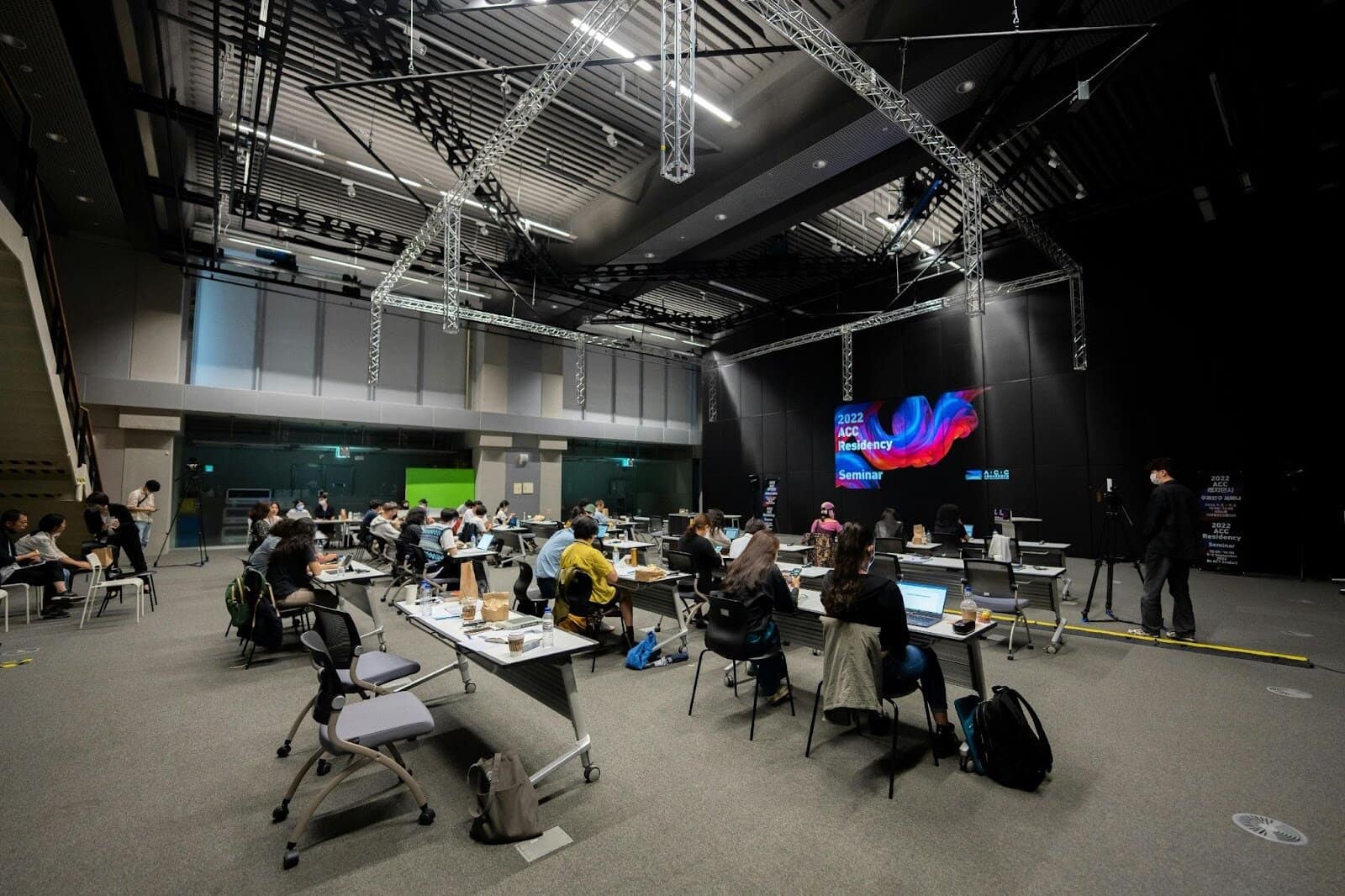
Perhaps one of the biggest things to consider when planning a marketing event is where you will host it. Choosing a good venue can help increase attendance, improve memorability, minimize issues and help generate more leads.
In this post, we’ll walk through some of the key factors to consider when selecting a venue.
First, let’s assess your goals
What is the purpose of your conference? This is the first question you need to answer in order to help you choose the right venue.
More formal events like seminars and thought-leadership events might benefit from somewhere more quiet with a purpose built stage. This allows people to listen and helps project a sense of authority.
More casual events like launch parties may benefit from somewhere more relaxed and open. Such spaces should project a sense of fun and encourage conversation and networking.
By first establishing what you hope to achieve with your event, you can then make sure to pick a venue that aligns with this objective.
Consider how many people are coming
Next, think about capacity. If you’re planning on having hundreds of people coming, then you’ll need a much larger space. Think lecture theatres, town halls or even arenas.
With smaller-scale events, you’ll have more flexibility. Many buildings from stately homes to hotels have small function rooms. Just be realistic about how small you should go – you don’t want to cram everyone into a space and create discomfort. Beyond seating space, you may need to allow room demos or speakers, refreshment areas or breakout rooms.
In many cases, it’s best to not just rely on photos and to physically visit a venue to get a true idea of the size. You can then start visualizing where everything will go and whether there will be enough space.
Think about who exactly is coming
The demography of the people attending your event is important to consider too. Are they likely to be younger or older? Are they wealthy VIPs who expect luxury or everyday members of the public expecting a more casual event?
Choose community centres and university lecture halls when targeting relatively young everyday consumers. If you’re targeting wealthier younger people or young business owners, consider venues with a bit more ‘wow’ factor like trendy bars, art galleries or even zoos/aquariums.
An older audience will want somewhere more accessible. Consider hotels and community centres with disabled facilities if it’s an event aimed at senior citizens. Alternatively, look into historic buildings for a peaceful setting that feels more impressive.
Ultimately, the location needs to reflect your brand values and image – choose somewhere young and trendy if you want to be seen as a young and trendy business, and choose somewhere older and more classic if you want to project an older and more classic feel.
Determine how long the event will be
If you’re hosting a short one-hour conference, a basic venue may be all you need. You won’t need a breakout room and attendees may not be more willing to put up with a smaller space.
For a whole day event, you may want to consider a breakout space. Avoid choosing somewhere remote if you’re not going to provide catering as people attending will need to grab lunch at some point.
When it comes to multi-day events, you should make sure that there is local accommodation. Some businesses even find it practical to host an event in a hotel, which gives attendees the option to stay on site.
Assess what services will be provided
Think about what each venue can provide as this may reduce the need to outsource extras.
When it comes to catering, there are some venues that can help prepare food for you, or at the very least provide some hot drinks. If a venue cannot provide this and it is an all-day event, consider outsourcing caterers. If there are no kitchen facilities, consider that they will need to prepare food off-site.
You also need to think about technology. If internet access is vital, make sure that there is a good Wi-Fi signal. As for screens and speakers for presentations, some venues will be able to provide AV equipment, but in other cases you may need to look into conference equipment hire.
Don’t forget to consider furniture too. Many venues will have chairs and tables you can use, but it may not always be enough for your needs or may not be good enough quality. In this case, you will need to hire furniture.
Make sure attendees can easily get to your venue
Think about how far your attendees will be travelling to get to the venue. If they’re travelling from far and wide, you may want to choose a central city location with good transport links or even an airport.
You should also consider aspects like parking if lots of people will be driving. More remote venues will typically need to have a car park. Avoid such locations if people will be drinking – towns and cities are typically better for launch parties.
Virtual conferences are an option if you want to attract people from around the world. Nobody has to travel anywhere and won’t need to hire out a space.
Assess your budget
Last but not least, think about how much money you have to spend. Unless you’re lucky enough to know the right people, it’s unlikely you’ll find a venue offering space for free.
Larger and fancier venues will cost more to rent out. When considering these venues, you need to be realistic about what you are willing to spend and whether you will make a profitable enough return from leads.
With some events like workshops, it may be possible to charge people a small fee for attending. In these cases, you may be able to cover the cost of the venue just from ticket sales.
Make sure to also factor in the cost of outsourcing any extras like catering and AV technology. A venue that can provide all of this may be better on a tighter budget, however in some cases you may find it’s cheaper to arrange this yourself.