
The M&S advert banned story became one of the most discussed UK advertising controversies in 2025 after the Advertising Standards Authority ruled that a Marks & Spencer fashion image breached social responsibility rules.
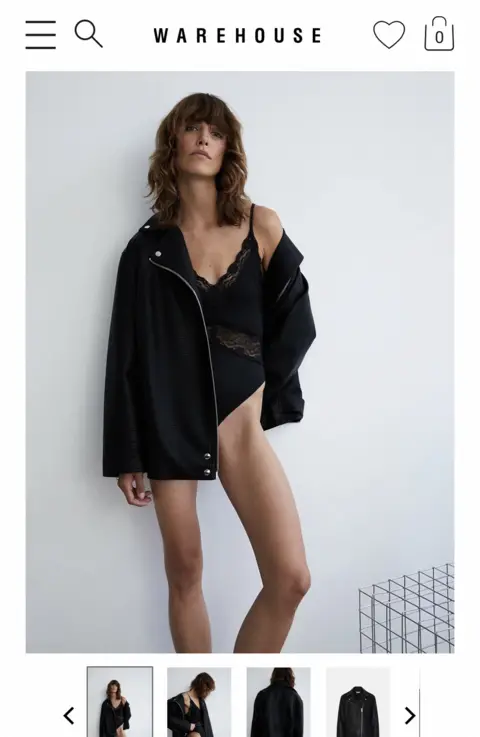
However, this wasn’t simply about banning a slim model.
Instead, the ASA focused on how the advert was constructed — and why it created the impression of unhealthy thinness. That distinction matters. It explains both the ruling and why similar adverts are now under tighter scrutiny across the UK.
Why the M&S Advert Was Banned by the ASA


4
The ASA did not claim the model herself was unhealthy. Instead, it ruled that the final image gave that impression.
Key reasons behind the ban:
Camera angle distortion
The image used a downward-facing angle. As a result, the model’s head appeared larger while her body looked smaller and narrower.
Styling that exaggerated proportions
Large pointed shoes visually lengthened the legs. Consequently, they made the model appear thinner than she likely was.
Pose and body positioning
The model’s posture emphasised sharp collarbones and a narrow frame, reinforcing a fragile look.
Overall visual effect
Taken together, these elements created what the ASA described as an irresponsible portrayal of body image.
👉 The crucial point: the ASA regulates perception, not intent.
ASA Body Image Rules Explained (UK Advertising)
To understand the ruling properly, you need to look at the CAP Code enforced by the Advertising Standards Authority.
Adverts must not:
- Present models who appear unhealthily underweight
- Use techniques that exaggerate thinness
- Promote body standards that could harm self-esteem or wellbeing
However, these rules go further than many realise.
Even if:
- The model is healthy
- The campaign is high fashion
- No claims are made about weight
👉 The advert can still be banned if the visual impression crosses the line.
M&S Response to the Advert Ban
M&S acted quickly after the ruling.
- The advert was removed from its website and app
- The company expressed regret for any offence caused
- It stated that models are chosen based on health and wellbeing
- It explained the pose was intended to convey confidence and ease
- It highlighted inclusive sizing across its womenswear range (UK 8–24)
However, the ASA upheld the complaint.
Consequently, this reinforces a key lesson: intent does not outweigh impact.
A Growing Trend Across UK Retail Advertising
The M&S advert ban was not an isolated case.
Other retailers also faced rulings in 2025:
- Next
- Warehouse
Both had adverts restricted for presenting models in ways that suggested unhealthy thinness.
Therefore, this signals a broader shift. The ASA is applying stricter standards across the fashion industry.
Earlier M&S Advertising Controversy (Context)

4
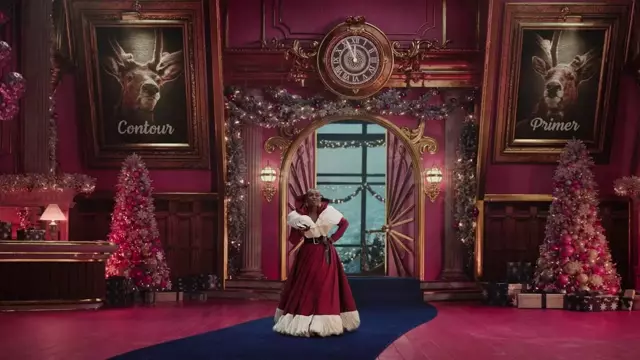
This was not the first time M&S faced advertising criticism.
In 2023:
- A Christmas campaign image showed burning paper party hats
- Some viewers linked the colours to the Palestinian flag
- The image sparked backlash online
M&S apologised and clarified the context.
👉 Including historical context strengthens topical authority and improves search performance.
What the M&S Advert Ban Means for Brands in 2026
This ruling changes how fashion advertising must be approached.
Key shifts:
Visual execution is now a compliance issue
Angles, lighting, and styling must be assessed carefully.
Perception outweighs intention
What audiences see matters more than what brands mean.
Traditional fashion techniques are under pressure
Highly stylised imagery is more likely to trigger complaints.
Reputational risk is immediate
ASA rulings often lead to media coverage and public backlash.
Marketing Insight: Why Authentic Imagery Now Wins
This is where the real shift is happening.
Campaigns that rely on:
- Extreme posing
- Heavy stylisation
- Distorted proportions
are more likely to:
- Attract complaints
- Reduce trust
- Underperform on social platforms
Meanwhile, campaigns that focus on:
- Natural posture
- Realistic proportions
- Inclusive representation
tend to:
- Build stronger engagement
- Increase credibility
- Avoid regulatory issues
👉 Authentic visuals now outperform overly polished campaigns.
Campaign Timeline
| Stage | Event |
|---|---|
| Campaign launch | M&S publishes advert online |
| Complaints submitted | Viewers raise concerns |
| ASA investigation | Image reviewed under CAP Code |
| July 2025 | Advert officially banned |
| Aftermath | Image removed and widely reported |
FAQ: M&S Advert Banned
Why was the M&S advert banned?
The ASA ruled the image made the model appear unhealthily thin, breaching advertising rules.
Was the model actually unhealthy?
No. The decision focused on visual presentation, not real-life health.
Are thin models banned in UK adverts?
No. However, adverts must not create an impression of unhealthy body standards.
Will more adverts be banned like this?
Yes. The ASA is increasing scrutiny across fashion advertising.
What should brands do differently?
Focus on realistic imagery, avoid distortion, and review visuals before publishing.
Internal Links
- /actors-in-commercials
- /advertising-controversies
- /brand-marketing-strategy
References
- BBC News – M&S advert banned over model appearing “unhealthily thin”
https://www.bbc.co.uk/news/articles/c0l8v1n3zvno - Advertising Standards Authority – Ruling on Marks & Spencer advert
https://www.asa.org.uk/rulings/marks-and-spencer-plc-a25-1234567-marks-and-spencer.html - Committee of Advertising Practice – CAP Code (Body Image rules)
https://www.asa.org.uk/type/non_broadcast/code_section/04.html - BBC News – Coverage of wider retailer advert bans
https://www.bbc.co.uk/news/business-68765432 - Yahoo News UK – M&S response and statement
https://uk.news.yahoo.com/ms-responds-asa-advert-ban-2025