

The Skittles Banned Commercial: Viral Outrage or Marketing Masterstroke?
Byline: Gavan Corry
First published: 28 January 2022
Last updated: 25 August 2026
The “Banned” Skittles Commercial Was Never a Skittles Advert
The banned Skittles commercial was never banned. It was not a Skittles commercial either.
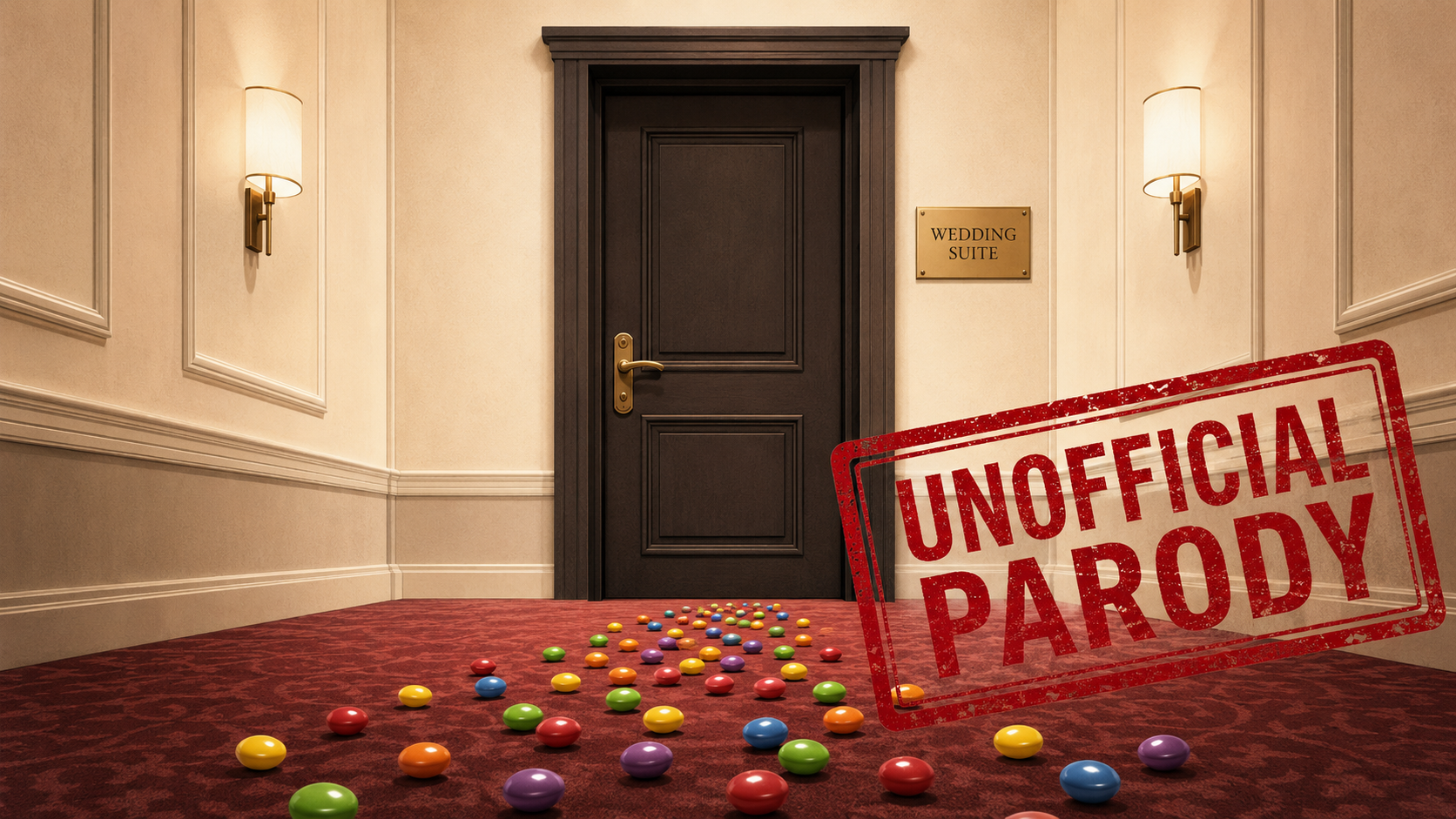
The 30-second film, called “Newlyweds”, was an unofficial adult parody made by the Los Angeles directing team Cousins in 2011. Its original Vimeo title said it was “not affiliated with Wrigley or Skittles” and unsuitable for minors.
The internet supplied the ban later. Copies travelled without the disclaimer and appeared under titles such as “Banned Skittles Commercial”. Viewers then assumed they were watching a real advert that Skittles had withdrawn.
That false backstory has lasted longer than many genuine campaigns.
Adult-content warning: “Newlyweds” contains sexual sounds and an adult visual joke. It is not suitable for children or most workplaces.
Banned Skittles commercial: the facts at a glance
| Claim | What the evidence shows |
|---|---|
| Skittles commissioned the film | No. The original title states that it was not affiliated with Wrigley or Skittles. |
| A regulator banned it | No ruling, regulator or broadcast restriction has been reliably identified. |
| It was a rejected Super Bowl advert | No production record supports that story. |
| The film is called “Newlyweds” | Yes. Cousins retains it under that name in its portfolio. |
| Cousins created it | Yes. Cousins is the directing partnership of Jordan Sharon and Keith Hamm. |
| Ashley Martin and Austin Scott star in it | Yes. The published production credits name Martin as the bride and Scott as the groom. |
The key point is simple: adult content explains why the film looks unbroadcastable. It does not prove that anyone banned it.
The scene begins in a honeymoon suite. A bride and groom are still wearing their wedding clothes. The setup then becomes an explicit verbal joke before sweets provide the final visual punchline.
Nothing graphic appears on screen. However, the sound and implication make the warning justified.
Was the Skittles Newlyweds advert real?
“Newlyweds” is a real professionally produced film, but it is not a real Skittles campaign.
This is an important distinction. Calling something “fake” can suggest that the footage was altered or falsely assembled. That did not happen here. A professional crew deliberately created a short parody in the style of a confectionery advert.
Cousins still lists “Skittles – Newlyweds” in its project archive. A contemporary Funny or Die production page also displayed the non-affiliation notice and full production credits.
By July 2011, entertainment coverage was already describing it as a parody with no official connection to the brand. The false “banned” description became more common as the video moved through reposts, compilations and social platforms.
Why do people call it a banned Skittles advert?
The evidence suggests that “banned” was a viral label, not a documented event.
It works because it answers a question before the viewer asks it. The video looks too sexual for television, so “banned” feels like a believable explanation. It also turns a crude parody into forbidden brand history.
The story appears to have spread in four stages:
- Cousins published an unofficial parody. The original title disclosed that Wrigley and Skittles were not involved.
- Entertainment sites shared the joke. Contemporary reports still described it as a parody.
- Reposters shortened the context. Creator credits and disclaimers disappeared from many copies.
- The viral title became accepted as fact. People searched for the reason it was banned instead of asking whether a ban happened.
That final shift matters. Once enough posts repeat the same claim, repetition begins to look like evidence.
How can we tell that it was not genuinely banned?
A real advertising ban usually leaves records. There should be an identifiable advertiser, media placement, regulator, complaint, ruling or withdrawal statement.
None has been produced for “Newlyweds”. The film also fails the first test: there is no evidence that Skittles commissioned it.
Before describing any commercial as banned, check for:
- the advertiser and agency responsible;
- where and when the advert ran;
- the regulator or broadcaster that acted;
- a published ruling or company statement;
- the rule the advert allegedly breached;
- whether the restriction covered all use or only a time, audience or format.
This prevents three different events from being confused. A regulator can prohibit an advert. A broadcaster can decline to show one. A platform can remove a user’s upload. Those outcomes are not interchangeable.
A missing YouTube copy proves only that the copy is unavailable. It does not prove that the underlying advert was banned.
Who made the viral Skittles parody?
Cousins made “Newlyweds”. The team consists of filmmakers Jordan Sharon and Keith Hamm, according to the directors’ biography.
The published credits identify:
- Directors: Cousins
- Producer: Kali Erin Niemann
- Director of photography: Greg Ephraim
- Copywriter: Jordan Sharon
- Editor: Keith Hamm
- Sound designer: Ian Vargo
- Audio mixer: Matt Miller
- Bride: Ashley Martin
- Groom: Austin Scott
- Voiceover: Austin Horton
Those names offer another way to verify the film’s origin. They trace back to the creators’ release, not to Skittles campaign credits.
Why did an unofficial advert look so convincing?
“Newlyweds” compresses the recognisable parts of Skittles advertising into 30 seconds.
First, it uses a familiar brand world. Sweets, rainbow imagery and surreal humour make the supposed advertiser easy to identify.
Second, it has the finish of paid commercial work. The lighting, setting, costumes, edit and voiceover do not resemble an improvised internet sketch.
Third, the performers play the scene straight. The film does not announce that it is parody within the action. The disclaimer sits outside the video, where reposting can remove it.
This created a useful illusion. Viewers recognised the brand before they checked who made the film.
What the fake advert teaches marketers
The most interesting lesson is not that sexual humour attracts attention. It is that brand recognition and brand control are different things.
Strong brand codes can identify a company without permission
Cousins needed only a few cues to make viewers think of Skittles. That shows the power of distinctive assets. It also shows the risk. Anyone can borrow those signals and create material that audiences misattribute to the brand.
A disclaimer is fragile when content travels
The original title gave viewers the correct context. Yet the clarification lived in metadata, not inside the film. Downloading and reposting removed the guardrail.
Brands, agencies and publishers should place vital context where it survives sharing. On-screen labels, watermarks and clear source pages travel better than a description alone.
“Banned” is a powerful but unreliable headline
The word promises danger, censorship and a story someone tried to suppress. That makes it clickable. However, publishers should not use it as fact without a ruling or first-party statement.
The lesson for marketing journalism is straightforward: trace the asset to its source before repeating its most exciting caption.
For a genuine brand film that became famous through a striking visual idea, see our analysis of Jean-Claude Van Damme’s Volvo “Epic Split” commercial. Our guide to commercials people still discuss years later gives more examples of advertising that outlived its media schedule.
Did Cousins make a sequel?
Yes. Cousins followed “Newlyweds” with “Reese’s Pieces – Love Child”, another unofficial adult sweet parody.
The sequel continues the joke nine months later. Cousins lists “Love Child” beside “Newlyweds” in its project archive. Its existence also supports the view that these were connected creative films, not leaked campaigns from two separate confectionery companies.
The sequel carries the same adult-content concerns and should receive a warning if embedded.
Frequently asked questions
What year was the banned Skittles commercial made?
“Newlyweds” appeared online in 2011. Contemporary coverage and production pages were published in July that year.
Who are the actors in the Skittles wedding advert?
Ashley Martin plays the bride and Austin Scott plays the groom. Austin Horton provides the voiceover.
Did Skittles or Wrigley approve the video?
There is no evidence that either company approved it. The original upload explicitly said it was not affiliated with Wrigley or Skittles.
Was it rejected from the Super Bowl?
No reliable evidence connects “Newlyweds” to a Super Bowl submission. That description appears to be another unsupported reposting label.
Is the commercial safe to watch at work?
No. Although the visuals are not graphic, the soundtrack and implied sexual joke make it unsuitable for most workplaces and children.
The real story in one sentence
The so-called banned Skittles commercial is a 2011 adult parody by Cousins that went viral after many viewers mistook professional brand imitation for a prohibited official campaign.
Sources checked
- Original Cousins Vimeo upload with non-affiliation warning
- Cousins “Skittles – Newlyweds” portfolio entry
- Cousins directing-team biography
- Funny or Die’s 2011 production credits
- JOE’s July 2011 report describing the film as an unofficial parody
- Cousins “Reese’s Pieces – Love Child” portfolio entry
- Google Search Central Article structured-data guidance
Research and live-page checks completed on 25 August 2026. Search results can vary by UK location, device and personalisation.