
Introduction
Selecting a Chess Set becomes easier when the purchaser assimilates the set to actual use: recreational play at home, club nights, or official chess tournaments. This guide shows how boards and pieces fit together, which materials are durable, how to read specs and where to compare real-world offerings without overpaying.
What Makes a Great Chess Set
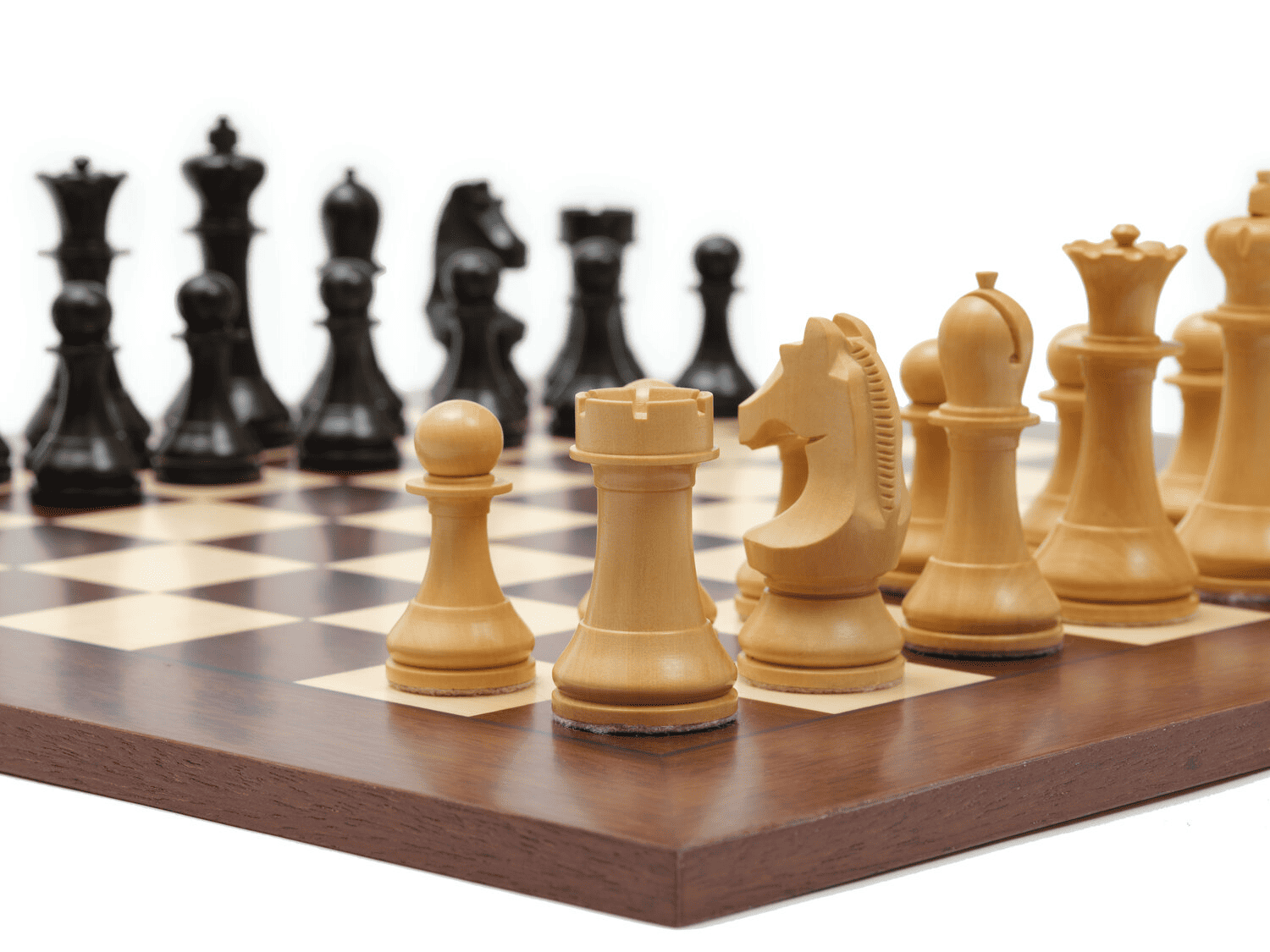
A good set is made with clarity and comfort as the first priority and beauty as the second one. The Staunton profile, weighted men, and a board that has enough contrast makes moves readable at glance. Each base is covered with smooth felt to protect the squares and a balanced king prevents wobble when using fast time controls. To collectors, wood figure grain and finish are important; in travel or schools, stronger plastics may be wiser.
Quick checklist
- Staunton pattern with clean, distinct piece profiles
- Proper base-to-square ratio (no crowding)
- Clear light/dark contrast, not glossy enough to glare
- Even weighting, soft felt, clean finishing (no burrs)
- Storage that protects from dust and humidity
Board & King Sizing 101
The most frequent sizing trap is to have a big king with squares that are too small, or a fat base that pushes in on the surrounding files. Take the table below as a practical starting point.
| King height | King height (mm) | Typical king base | Recommended square | Typical board size |
| 3.0″ | ~76 mm | ~1.3″ (33 mm) | 1.75″ (45 mm) | ~16–17″ (40–43 cm) |
| 3.5″ | ~89 mm | ~1.4″ (36 mm) | 2.0″ (50 mm) | ~18–19″ (46–48 cm) |
| 3.75″ (club/tournament classic) | ~95 mm | ~1.5″ (38 mm) | 2.25″ (57 mm) | ~20–21″ (50–53 cm) |
| 4.0″ | ~102 mm | ~1.6–1.7″ (40–43 mm) | 2.375–2.5″ (60–64 mm) | ~21–22″ (53–56 cm) |
How to read it: the base should normally take up ~75-80 percent of the square. When pieces are cramped go up a square; when pieces are lost go down.
Materials & Finishes: What Lasts and Why
- Woods (boxwood, walnut, maple, ebony/ebonized): A classic appearance and feel to the hands. Satin finishes minimize glare, and its gloss is maintained with minimal maintenance (regular waxing or oiling).
- Engineered veneers: They are stable against warping and have a nice looking grain, very good value when used in display boards.
- Plastic/resin: Durable and cost-effective; they are great to be used in schools, clubs, and when traveling.
- Metal/stone: More striking as decoration, heavier, less forgiving should you drop them and best used in slow games
Where to Shop and Compare
Comparing offers, you should begin with square size and king height. When starting out, a Chess Set guide will allow you to match the boards and pieces without any mess; when you intend to play in chess tournaments, use the standard 3.75 inch king on 2.25 inch squares so you will have the same geometry. To see U.S.-specific notes on dimensions and ratios, see the US Chess equipment standards.
How to evaluate listings
- Translucent specs: king height, base diameter, recommended square size.
- Neutral-light, clear-photography (without too much glare).
- The materials and construction: wood, ebonized and plastic/resin; even weighting and soft felt.
- Easy to understand returns and shipping.
When shopping around chess sets for sale and chess boards for sale, you should compare the details and not the headlines. It is legitimate to buy chess boards and then later on upgrade with chess pieces for sale. To compare the prices of a chess set, consider the materials, hand-finishing, balance/weighting and extras (storage, additional queens). Base-to-square ratios are usually given in specialist descriptions of a dedicated chess shop; use this to avoid crowding.
Value Picks vs Premium Icons
A large number of purchasers desire a set that reminds them of title-match tables. A real world championship chess set brings out the right proportions and weighted stability, and a matching world championship chess board will bring out the crisp contrast to see. Luxurious woods and hand finishing take it to the next level; mid-priced choices in quality veneers or ebonized boxwood achieve a similar effect at a more affordable price.
Who benefits from “iconic” specs?
- Club players who enter events on occasion like to see familiar geometry
- The visual and tactile continuity with elite matches is appreciated by the collectors.
- Coaches like to have a layout that students will encounter later on in formal play.
From Home to Club: Picking by Use Case
- Casual home play & decor: a warm walnut/maple board around 2.0″-2.25″ squares with 3.5″-3.75″ pieces looks classy and plays smoothly.
- Club nights and scholastic: a tournament-size board (2.25″ squares) with sturdy plastic/resin pieces keeps prices cheap while meeting club standards—basically, a useful tournament chess set.
- Professional look and feel: hand-turned woods with balanced weighting and satin finish provide a confident, professional chess set experience on a 2.25 inch board; a satin professional chess board reduces glare in bright room lighting.
- Integration of furniture: a chess table set is made of storage, correct geometry, and a stable playing surface; smooth edges and hard-wearing topcoat are desirable.
How to Match Boards and Pieces (Without Guesswork)
- First determine the size of the square. Start with the targeted environment (home vs club vs event).
- Choose the king height to the same level. Use the sizing table and prefer the 3.75″ + 2.25″ combination to achieve a tournament-classic appearance—commonly referred to as an international chess board format.
- Check the base diameter. When the base is greater than about 80 percent of the square, reduce the size of the pieces or use bigger squares.
- Select finish & contrast. Walnut/maple (medium contrast) is general purpose; blackwood/maple or ebonized/light maple is higher contrast and suitable for fast play.
- Confirm weighting and felt. It is the best single indicator of a premium feel in practice.
To get your domestic arrangement to resemble event geometry, conform to the FIDE equipment standards.
Buying Online: Practical Steps
- Filter by verified specs. The square size, base diameter, and clear king height cannot be altered.
- Scan multiple photos. Look for consistent color and edge finishing; avoid boards with overly glossy reflections.
- Compare build quality to price. Hand-turned and evenly weighted pieces justify a higher chess set price; molded sets shine on durability and value.
- Check returns and shipping. Clear deadlines and simple transactions are important, particularly when it comes to gifts.
- Upgrade in stages. It’s perfectly valid to buy chess boards first, then buy chess pieces that match the board later.
Conclusion: A Fast Decision Framework
- Choose a square that complements the lighting and table.
- Match a king height from the sizing table (3.75″/2.25″ is the timeless tournament classic).
- Choose a finish for readability first, looks second.
- Verify weighting, felt, and build quality; compare across specialist retailers.
- Save favorites, compare total value (materials + finishing + extras), and purchase confidently.