
Commercial actors are the faces behind the world’s most recognisable adverts. If you’ve searched “who is the actor in this advert?”, you’re tapping into a fast-growing, high-intent search trend.
Quick answer: commercial actors are used to build trust, increase brand recall, and drive conversions. However, the most successful campaigns go further. They turn actors into long-term brand assets.
Commercial Actors Explained (Quick Answer)
Commercial actors are performers hired to appear in advertisements across TV, social media, and digital campaigns.
Their role is to:
- Represent the brand clearly
- Deliver simple, memorable messaging
- Build familiarity through repetition
Therefore, brands often reuse the same actor to maximise recognition.
Why Commercial Actors Matter More in 2026
Advertising is more competitive than ever. Attention spans are shorter. As a result, brands need instant recognition.
Why actors outperform generic ads:
- People remember faces faster than logos
- Repetition builds familiarity
- Familiarity builds trust
Research consistently shows adverts featuring people improve recall and engagement. Consequently, actor-led campaigns outperform abstract branding.
Famous Commercial Actors (2026 Snapshot)
| Actor | Advert Role | Brand | Active Years | Known For |
|---|---|---|---|---|
| Milana Vayntrub | Lily Adams | AT&T | 2013–2026 | Relatable retail persona |
| Stephanie Courtney | Flo | Progressive | 2008–2026 | Long-running mascot |
| Ryan Reynolds | Himself | Mint Mobile | 2019–2026 | Humour-driven campaigns |
| Dominic West | Hugo | Nationwide | 2024–2026 | Satirical bank CEO |
| Jürgen Klopp | Spokesperson | Trivago | 2024–2026 | Global recognition |
The Most Recognisable Commercial Actors
Milana Vayntrub (AT&T Girl)

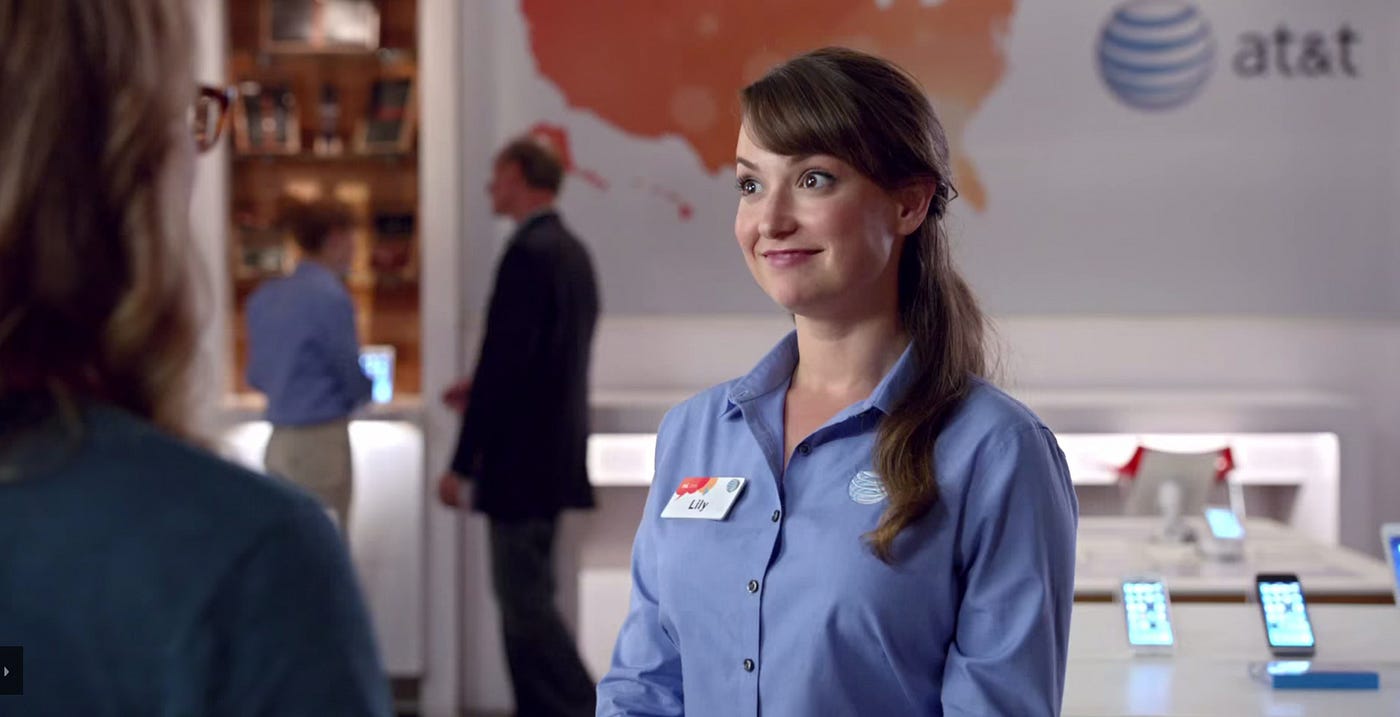
Milana Vayntrub turned a simple retail assistant into one of the most recognisable advertising characters in telecom.
👉 Internal: AT&T Girl article
Stephanie Courtney (Flo – Progressive)

Flo from Progressive has remained consistent for over 15 years. That consistency drives massive brand recall and trust.
Ryan Reynolds (Mint Mobile)

Ryan Reynolds blends ownership with performance. As a result, the messaging feels natural rather than scripted.
Ryan Reynolds took a different approach by owning part of the company.
- Stake: ~20–25%
- Outcome: Mint Mobile sold for $1B+
Therefore, this campaign blurred the line between acting and ownership.
Who is the man in the Mint Mobile commercial
Samsung Sam (Viral Case Study)



Samsung Sam was never officially launched. However, it became a viral example of how powerful character-led branding can be.
👉 Internal: Samsung Sam article
Dominic West (Nationwide)
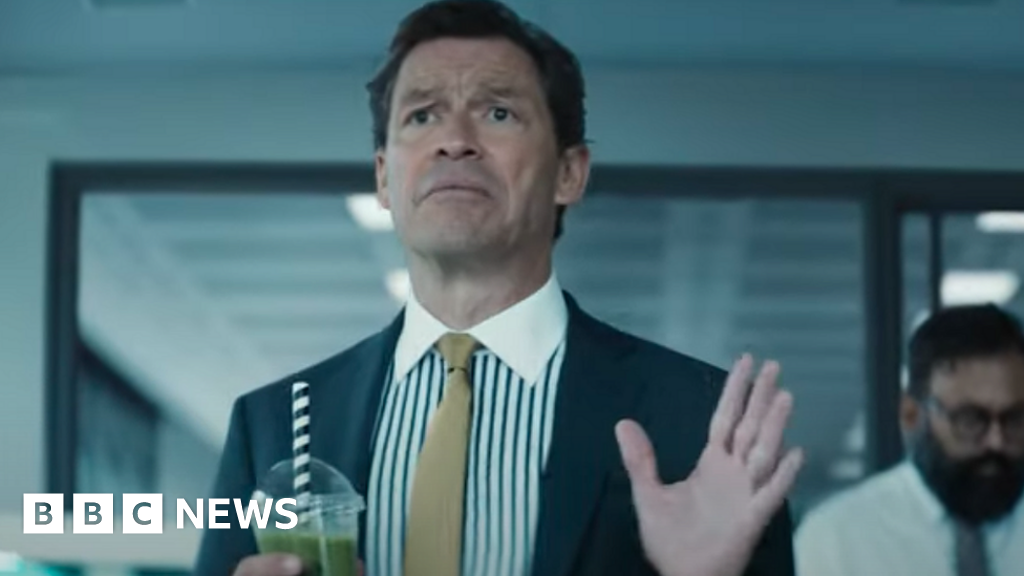
Dominic West uses satire to position Nationwide as different from traditional banks.
Who is the man in the Nationwide Advert
Why Brands Reuse the Same Actors
This is where most competitors fall short.
Brand recognition compounds over time.
The recognition cycle:
- Exposure → awareness
- Repetition → familiarity
- Familiarity → trust
- Trust → conversion
Therefore, replacing actors too often resets this cycle.
The Data Behind Commercial Actors (Research Insights)
- Ads featuring people consistently improve brand recall
- Memorability increases significantly with character-based campaigns
- Traditional adverts outperform product placement in recall
The “Vampire Effect”
However, if an actor is too famous, viewers may remember the actor instead of the brand.
Therefore, brands often choose relatable personalities rather than major celebrities.
How Commercial Actor Campaigns Work
1. Character creation
The actor becomes a recognisable persona
2. Consistent messaging
Same tone across all adverts
3. Repetition
The same character appears repeatedly
4. Simplicity
Clear and easy-to-understand message
Marketing Strategy Behind Commercial Actors
Commercial actors are long-term marketing assets.
Strategic advantages:
- Reduced cost per acquisition over time
- Stronger brand recognition
- Higher engagement
Meanwhile, campaigns like AT&T and Progressive show how consistency drives long-term results.
How Much Do Commercial Actors Get Paid?
| Level | Estimated Earnings |
|---|---|
| Entry-level | £5,000–£20,000 |
| Mid-tier | £50,000–£500,000 |
| Top campaigns | £1M+ annually |
Additional income includes:
- Residuals
- Renewals
- Licensing
UK vs US Commercial Actors: Key Differences
United States:
- Character-driven campaigns
- Long-term brand ambassadors
- Story-led adverts
United Kingdom:
- Celebrity-led adverts
- Shorter campaigns
- Subtle messaging
However, UK brands are shifting toward character-led strategies due to their effectiveness.
Key Traits of Successful Commercial Actors
- Relatable personality
- Consistent delivery
- Strong screen presence
- Authentic tone
In simple terms:
People trust people — not logos.
Related Commercial Actor Articles
- AT&T Girl (Milana Vayntrub)
- Samsung Sam
- T-Mobile Commercial Actors
FAQ: Commercial Actors
What are commercial actors?
They are performers hired to appear in advertising campaigns.
Why do brands reuse actors?
To build recognition, trust, and consistency.
Who is the most famous commercial actor?
Milana Vayntrub and Stephanie Courtney are among the most recognisable.
Do commercial actors earn a lot?
Yes, especially in long-running campaigns.
Why are advert actors so memorable?
Because repetition and character consistency build familiarity.
Commercial actors are no longer just part of advertising — they are central to brand identity.
From telecom to finance, recognisable faces drive trust, engagement, and performance.
As advertising continues to evolve, one thing remains constant:
People remember people.